
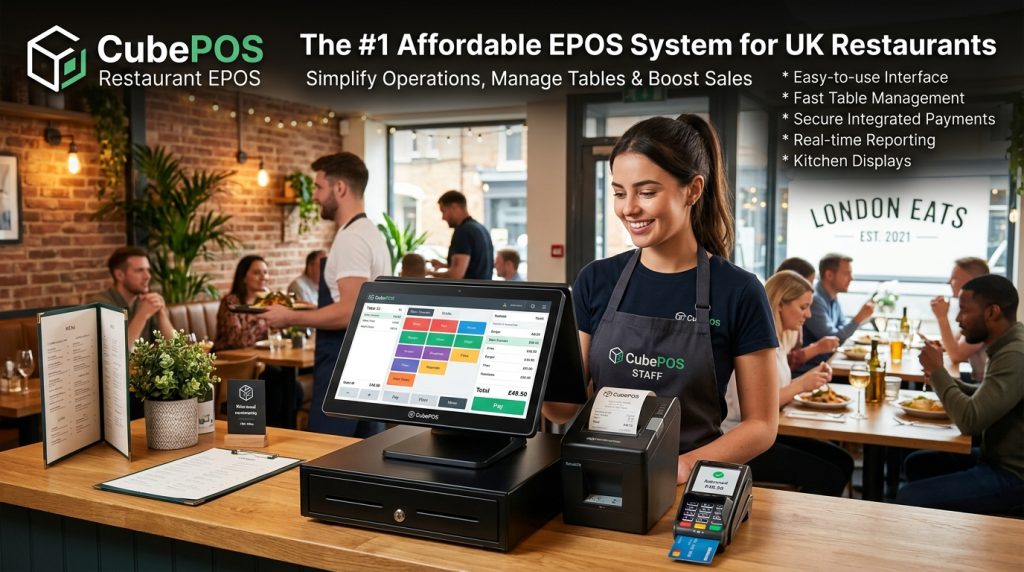
The hospitality landscape in the United Kingdom is undergoing a significant shift. As we move through 2026, the reliance on manual processes is fading, replaced by integrated digital ecosystems that prioritize speed, accuracy, and customer satisfaction. Whether you are running a high-end bistro or a casual café, the technology you choose to power your operations is now a defining factor in your long-term success.
Streamlining the Dining Experience in the Capital
London remains one of the most competitive food hubs in the world. To maintain a competitive edge, establishments must navigate high foot traffic and demanding customer expectations. Implementing a Restaurant EPOS London allows business owners to synchronize their front-of-house and kitchen staff in real-time.
In the heart of the city, efficiency is the currency of choice. A modern Electronic Point of Sale system reduces the “ping-pong” effect where servers constantly run back and forth between tables and the kitchen. Instead, orders are transmitted instantly via handheld tablets, reducing errors and ensuring that the kitchen can begin preparation the moment a guest decides on their meal. This level of agility is essential for maximizing table turnover during the busy lunch and dinner rushes that define the London dining scene.
Optimization and Growth in the Midlands
Further north, the culinary scene in the West Midlands is seeing a similar surge in technological adoption. For those looking to optimize a Restaurant POS system in Birmingham, the focus often shifts toward robust inventory management and data analytics. Birmingham’s diverse food sector requires a system that can handle varied menus and complex ingredient tracking.
A professional management system provides a bird’s-eye view of the entire business. By tracking every sale against inventory levels, managers can identify waste patterns, prevent stockouts, and analyze which dishes are driving the highest profit margins. This data-driven approach takes the guesswork out of ordering and allows for more strategic menu engineering. Furthermore, integrated loyalty programs help independent restaurants build a dedicated local following by rewarding frequent diners automatically.
Essential Features for Modern Establishments
To truly future-proof a restaurant, the chosen system should offer more than just a way to take payments. Key features to look for include:
- Offline Functionality: Ensuring the restaurant can still process orders and payments even if the internet connection dips.
- Integrated Delivery Management: Seamlessly connecting with third-party delivery apps to manage all orders from a single screen.
- Automated Reporting: End-of-day reports that provide clarity on labor costs, VAT, and sales trends.
- User-Friendly Interface: Reducing training time for new staff members, which is vital in an industry with high turnover.
The Path Forward
As we look at the trajectory of the UK hospitality industry, it is clear that technology is the backbone of the modern restaurant. By automating the administrative and technical aspects of the business, owners and staff are free to focus on the “hospitality” part of their job—engaging with guests and creating memorable dining experiences. Investing in the right digital infrastructure today ensures that your establishment remains resilient and profitable in the years to come.