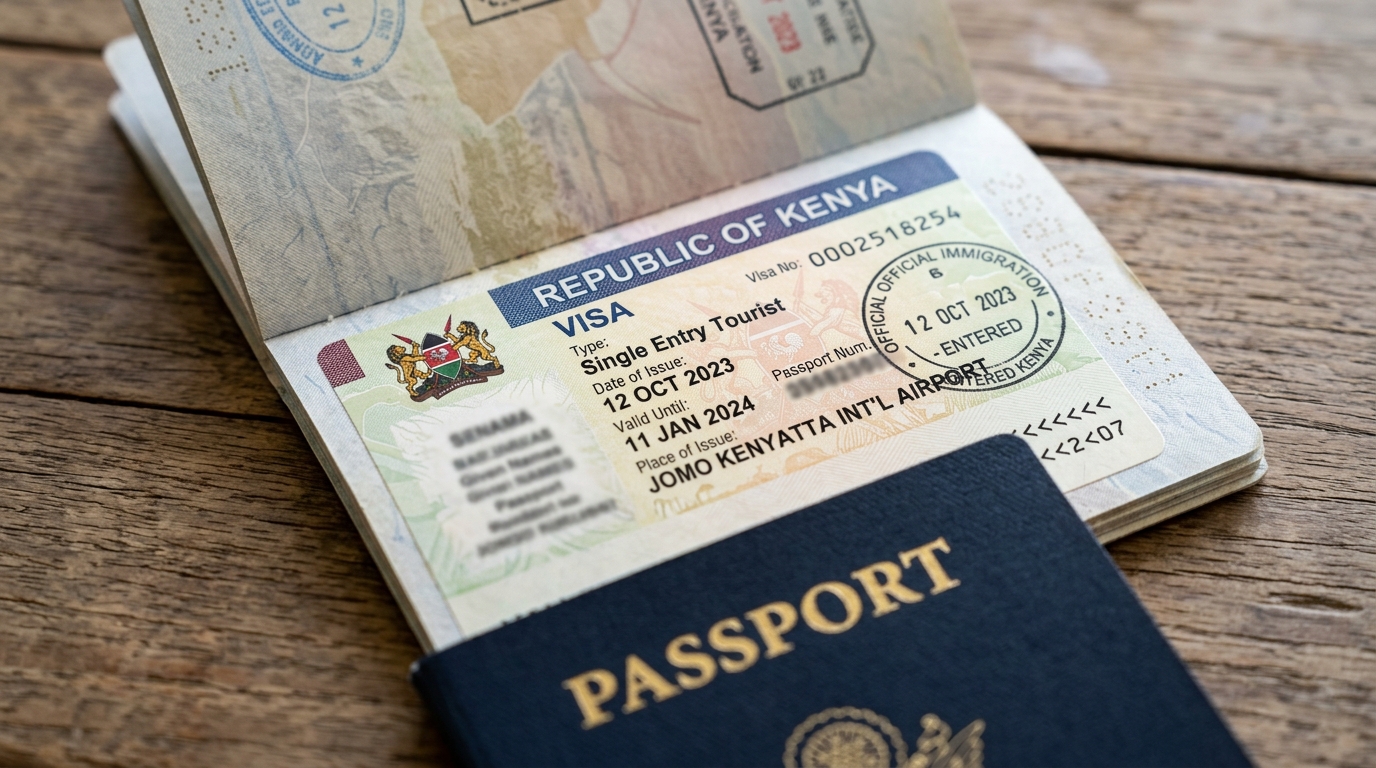

Kenya stands as one of the world’s most alluring travel destinations, drawing hikers, nature lovers, and safari enthusiasts from across the globe. From scaling rugged, snow-capped equatorial peaks to trekking through dense cloud forests, the country’s diverse topography offers unmatched outdoor adventures.
To ensure a seamless transition from your initial travel planning to setting foot on East African soil, understanding updated digital entry rules alongside top wilderness destinations is essential.
Trekking Mount Kenya: High-Altitude Wilderness and UNESCO Beauty
Rising majestically above the central highlands, Mount Kenya is Africa’s second-highest mountain and a UNESCO World Heritage Site. Consulting a detailed TOURIST GUIDE TO MOUNT KENYA NATIONAL PARK helps adventurers navigate the varied trekking routes, distinct vegetation zones, and alpine tarns that make this region so special.
Unlike typical savanna game drives, visiting Mount Kenya offers hikers dramatic landscapes ranging from bamboo forests and moorlands to glaciers and jagged volcanic peaks. Point Lenana serves as the primary goal for most trekkers, providing panoramic sunrise views without requiring technical climbing skills. Along the trail, hikers can spot rare wildlife, including forest elephants, colobus monkeys, and high-altitude bird species.
Digital Entry Clearance: Pre-Travel Rules for First-Time Visitors
Before embarking on high-altitude treks or wildlife safaris, global travelers must fulfill Kenya’s updated border entry regulations. Reviewing ESSENTIAL GUIDELINES TO KENYA ETA REQUIREMENTS FOR FIRST TIME TRAVELERS provides complete clarity on the Electronic Travel Authorization (eTA) system that has replaced traditional paper visas for foreign tourists.
First-time visitors must complete an online registration form prior to departure, submitting personal biographical data, passport scans, flight details, and accommodation bookings. Processing typically takes three to five business days, but applying at least two weeks before your flight is highly recommended. Once issued, the electronic travel clearance is linked directly to your passport, though keeping a printed hard copy in your hand luggage is recommended during check-in and transit.
Pre-Departure Document Checklist
To ensure your digital application and travel preparation proceed smoothly without administrative delays, assemble these key items before starting your online application:
- Valid Passport: Must retain at least 6 months of validity beyond your intended entry date into Kenya, along with blank pages for stamps.
- Digital Photo: A clear, recent passport-style photo taken against a plain, light background.
- Flight Itinerary: Confirmed return or onward flight tickets showing exact arrival and departure dates.
- Lodging Proof: Hotel reservations, mountain hut vouchers, or an official host invitation letter.
- Payment Card: A valid credit or debit card to cover the online eTA processing fee.
Smart Advice for Stress-Free Travel
- Verify Personal Details: Double-check that your full name, passport number, and date of birth match your physical passport precisely to prevent check-in issues.
- Prepare for Altitude & Weather: High-altitude mountain regions can become very cold; pack layered warm clothing, thermal gear, and waterproof jackets alongside standard travel attire.
- Keep Offline Copies: Save PDF versions of your approved travel clearance, flight tickets, and trekking permits on your phone for easy access without mobile data.
Final Thoughts
Combining smooth electronic travel authorization with a well-planned highland itinerary ensures an extraordinary East African vacation. By securing your entry clearance early and preparing for the unique wilderness of Mount Kenya, you lay the foundation for a safe and unforgettable trek.